








Automation Does Not Remove the Human Touch. It Protects It.

Automation Does Not Remove the Human Touch. It Protects It.
When business owners hear the word automation, they hesitate.
It sounds impersonal.
Mechanical.
Cold.
Many contractors take pride in personal service.
They believe:
“We answer the phone ourselves.”
“We handle everything directly.”
“Our customers get real people.”
That instinct is good.
But automation does not remove the human touch.
It protects it.
The Fear Behind Automation
The fear is understandable.
If messages are automated, will they feel generic?
If reminders are automatic, will they feel robotic?
If systems handle follow up, will relationships weaken?
It sounds like replacing care with code.
But the opposite is true.
Automation removes gaps.
And gaps are what damage trust.
What Actually Damages the Human Experience
The human experience breaks when:
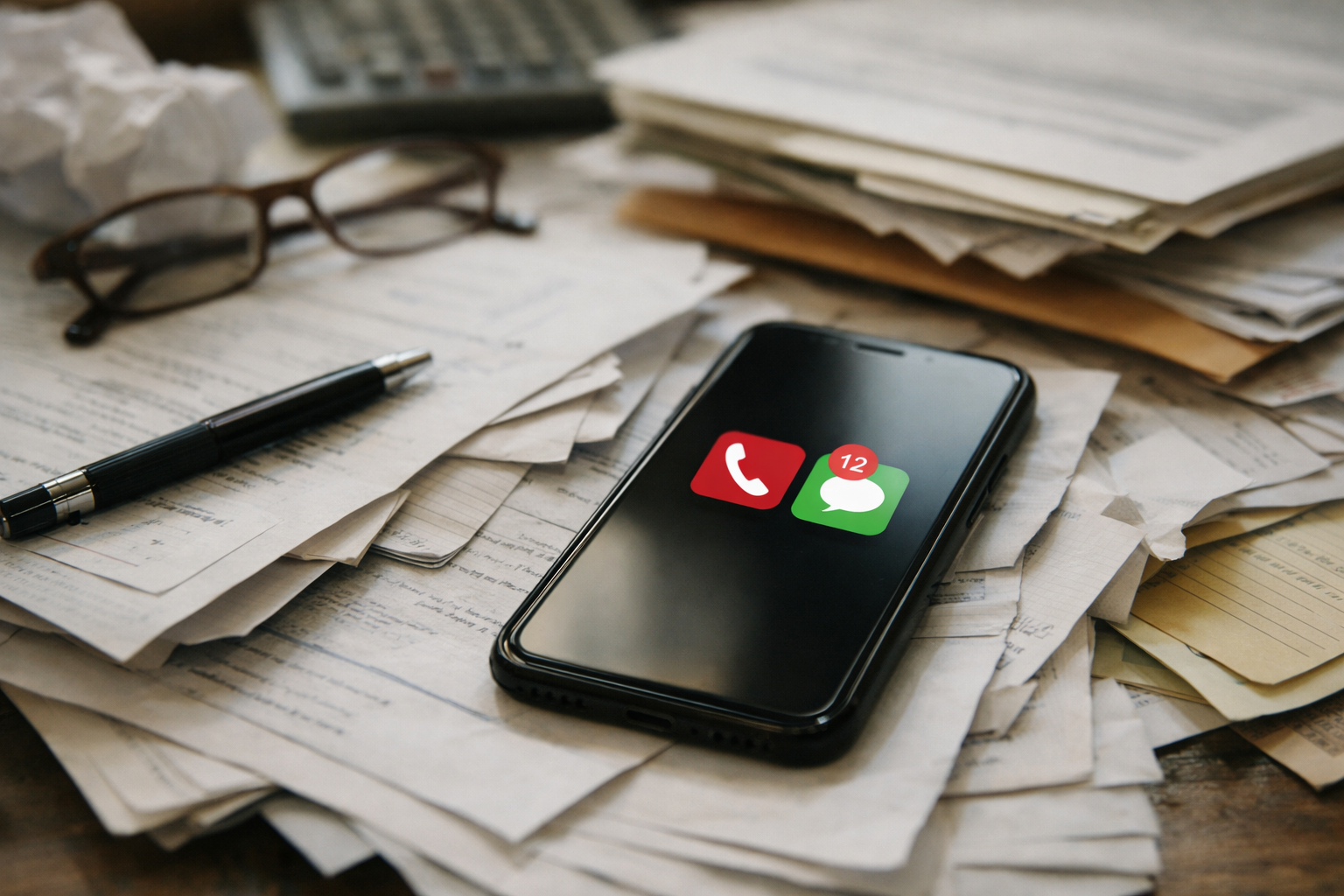
Calls go unanswered.
Messages sit too long.
Estimates arrive late.
Follow up gets forgotten.
Those moments do not feel personal.
They feel inconsistent.
Customers do not feel valued when they are chasing clarity.
They feel valued when communication is smooth.
Why Humans Are Not Designed for Repetition at Scale
Humans are excellent at:
Listening
Advising
Solving problems
Building relationships
Humans are not excellent at:
Remembering every follow up
Responding instantly every time
Managing high volume without delay
Repeating the same administrative tasks consistently
As volume increases, memory strains.
Effort increases.
Mistakes multiply.
That pressure erodes the very human touch you are trying to protect.
This is why fast response becomes fragile without structure, as explained in Why Fast Response Feels Harder Than It Should, where effort alone cannot sustain speed.
Automation Handles the Predictable So Humans Can Handle the Important
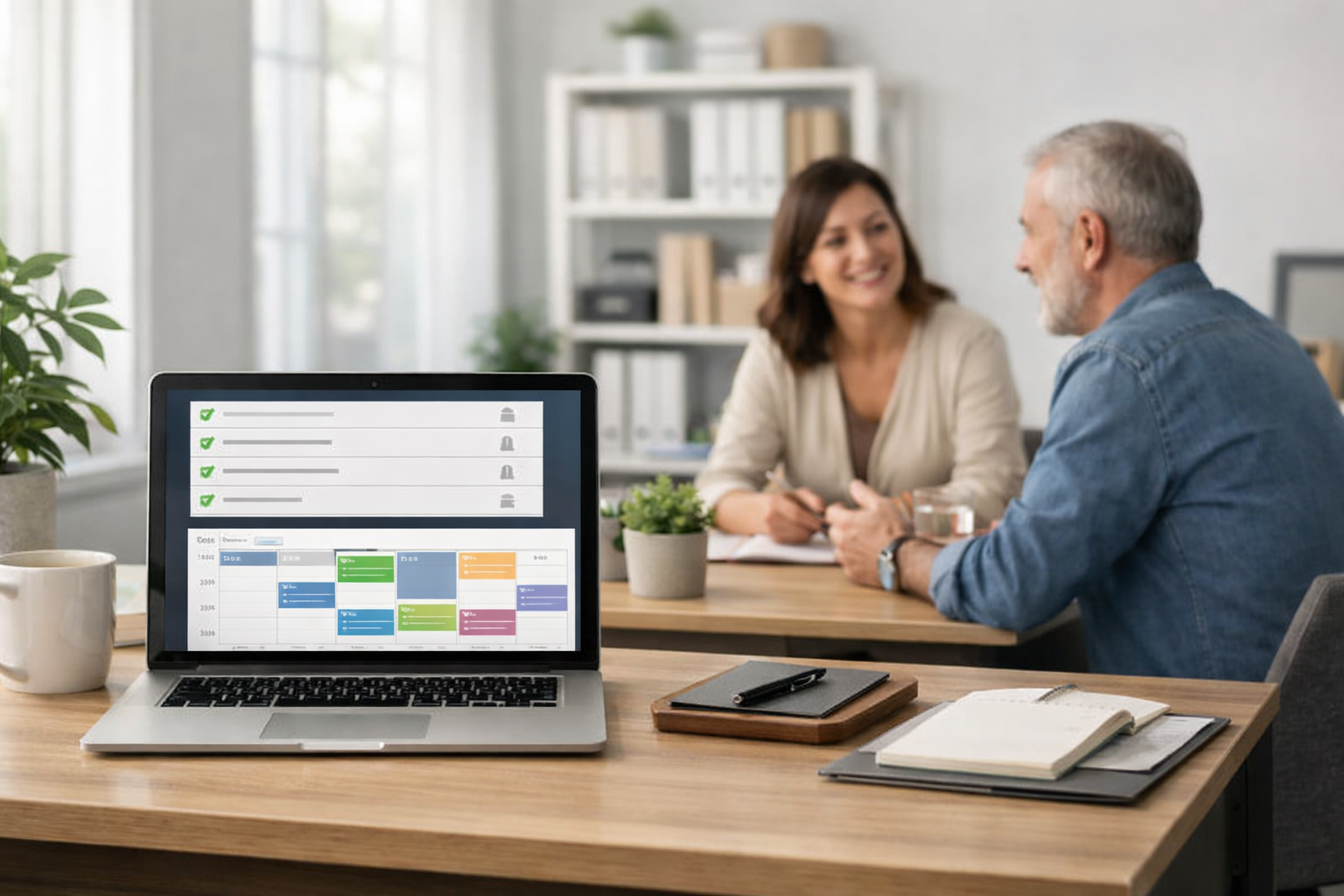
Automation works best when it handles what is repetitive and predictable.
Immediate acknowledgments
Appointment confirmations
Reminder messages
Basic information capture
Now your team is not consumed by routine tasks.
They are free to:
Answer deeper questions
Provide better advice
Focus on craftsmanship
Strengthen relationships
Automation removes noise.
Humans provide value.
Consistency Builds Trust More Than Personality
Customers appreciate personality.
But they depend on consistency.
They want:
Timely communication
Clear next steps
Reliable scheduling
Predictable follow up
Automation ensures those basics never slip.
That stability makes the human interactions stronger.
Not weaker.
Why Automation Feels Cold Only When It Replaces Instead of Supports
Automation becomes impersonal when it tries to replace conversation.
It becomes powerful when it supports it.
If a customer receives:
An immediate acknowledgment
A clear next step
A timely reminder
They feel organized care.
When they then speak to a real person who is informed and prepared, the experience feels seamless.
That is not cold.
That is professional.
Automation Does Not Remove the Human Touch. It Protects It.
Without systems, humans are stretched thin.
With systems, humans are supported.
Automation protects response time.
It protects follow up.
It protects reliability.
And reliability protects trust.
The goal is not to remove people.
It is to remove pressure.
So people can show up at their best.
Systems win.