








Follow Up Feels Pushy When You Do Not Have a System
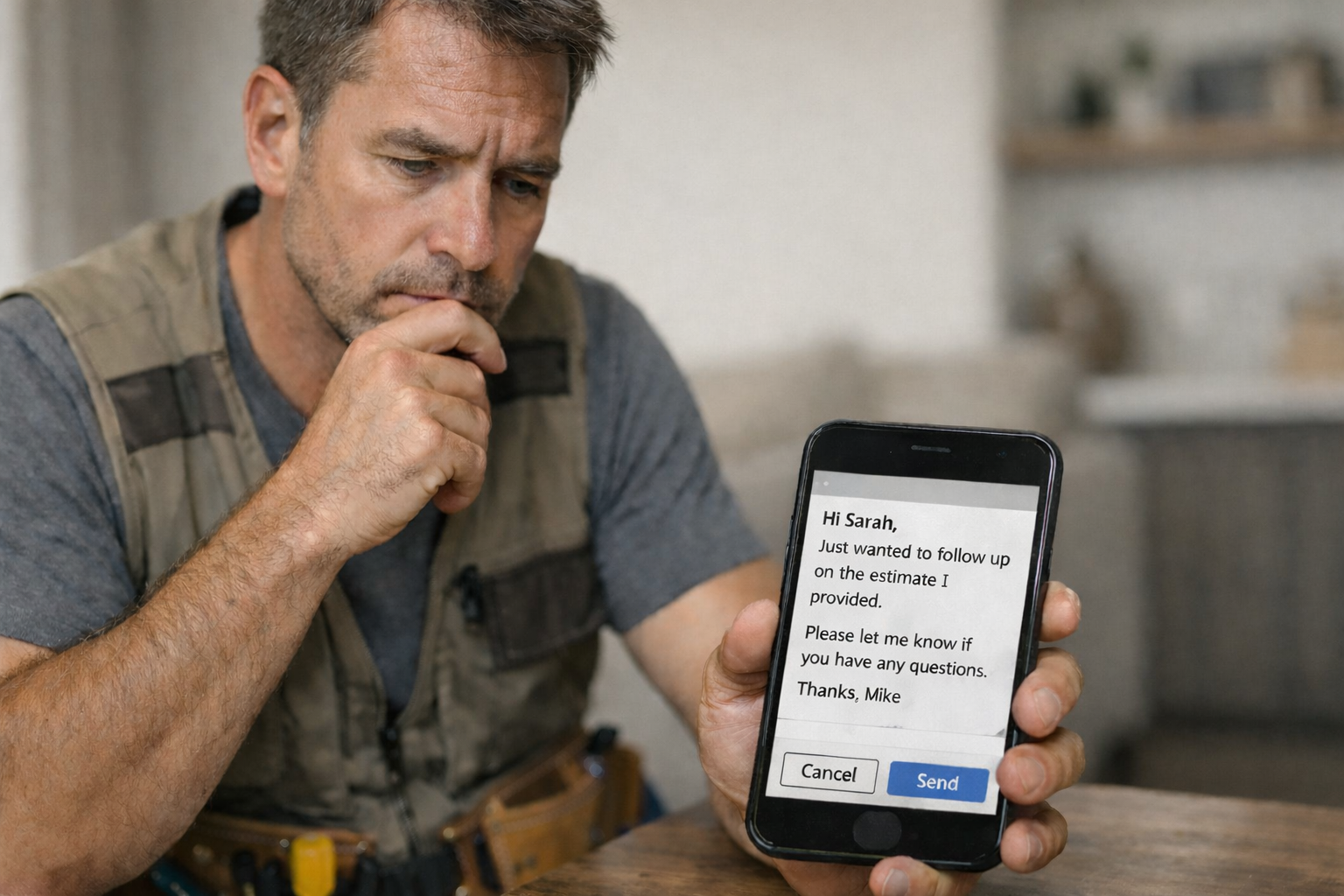
Follow Up Feels Pushy When You Do Not Have a System
Most contractors know they should follow up.
They just hesitate.
It feels intrusive.
It feels uncomfortable.
It feels like pressure.
So they wait.
Or they tell themselves the customer will call back.
Follow up feels pushy when it depends on personal judgment.
It feels professional when it depends on process.
Why Follow Up Becomes Emotional
When there is no system, follow up becomes personal.
You decide:
Is it too soon
Is it too late
Will this annoy them
Do they even want this
Every message feels like a guess.
Every call feels like an interruption.
So hesitation creeps in.
And hesitation creates silence.
The Difference Between Pressure and Process
Pressure feels like persuasion.
Process feels like expectation.
When follow up is structured, it happens because:
A proposal was sent
A time period passed
A response was not received
A next step was scheduled
It is not random.
It is part of the experience.
That difference changes how it feels to you.
And how it feels to the customer.
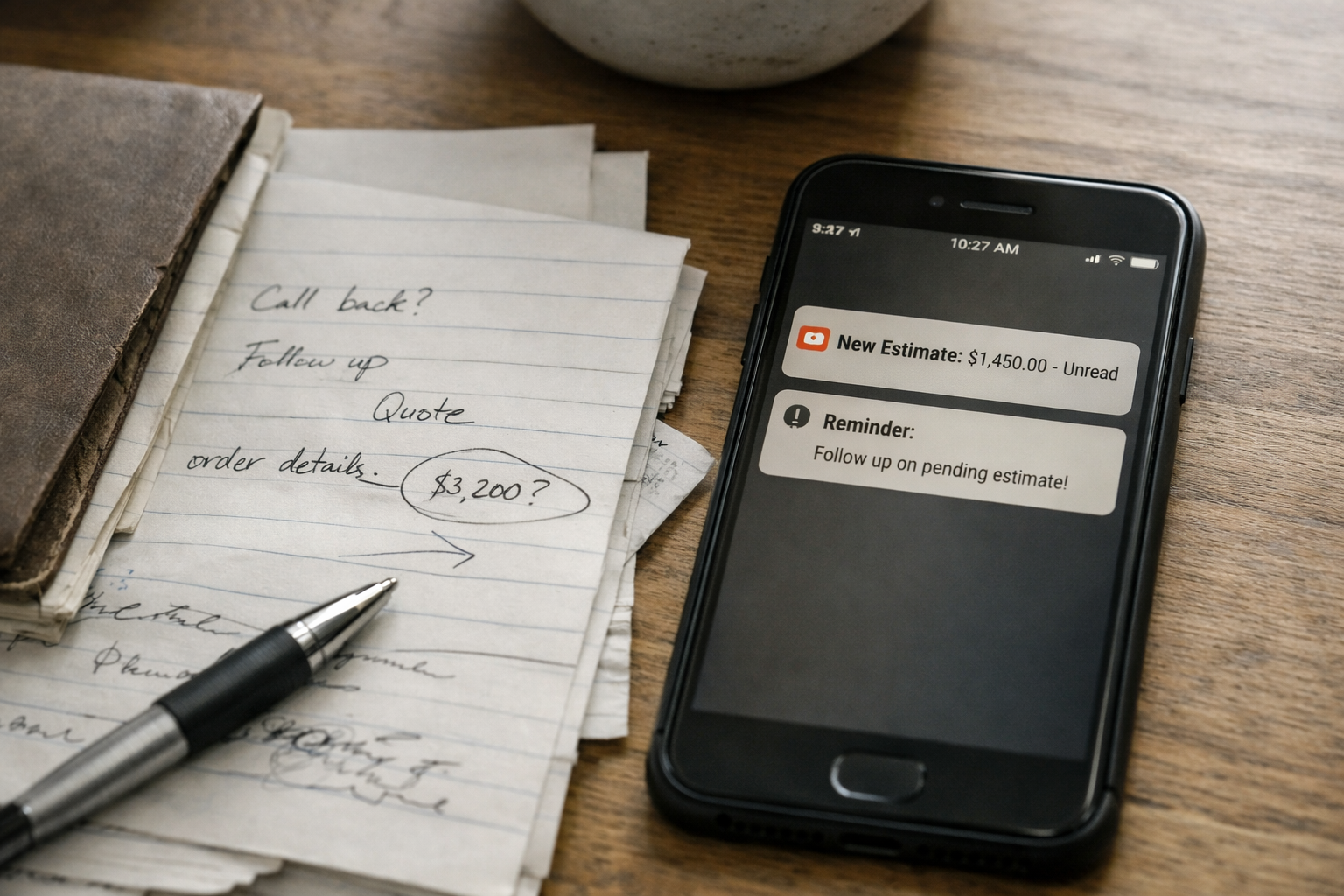
Why Customers Expect Follow Up
Customers do not see follow up as pressure.
They see it as attention.
They want:
Clarity
Confirmation
Next steps
When follow up does not happen, uncertainty grows.
Did they forget
Are they too busy
Do they even want the job
Silence rarely builds confidence.
It creates doubt.
Why Follow Up Breaks as Volume Increases
At low volume, follow up feels manageable.
You remember who to check in with.
As volume increases, memory becomes unreliable.
Some customers get multiple touches.
Others get none.
Now follow up feels inconsistent.
Inconsistency feels awkward.
The discomfort is not about selling.
It is about lack of structureThis is the same pattern described in Why Follow Up Feels Awkward Without Systems, where hesitation is shown to be a structural issue, not a personality flaw..
Why Pushy Is Usually a Timing Problem
Follow up feels pushy when timing is unclear.
When it is system driven, timing is defined.
Two days after an estimate
One day before an appointment
Three days after no response
Now the message is not emotional.
It is expected.
Clear timing removes awkwardness.
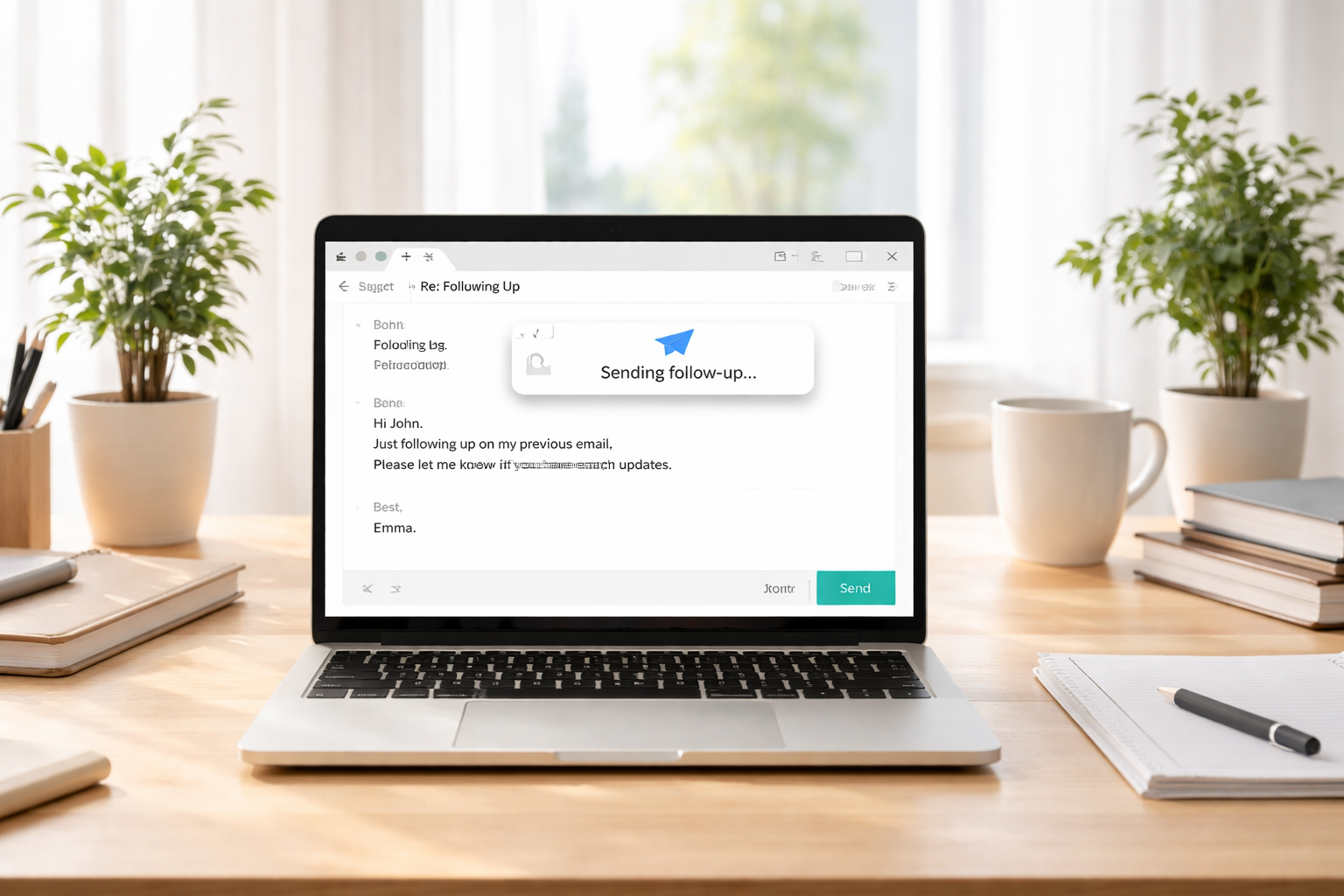
Automation Removes the Personal Pressure
Automation does not make follow up robotic.
It makes it consistent.
It ensures:
Every estimate gets a reminder
Every inquiry gets acknowledgment
Every customer receives clarity
No overthinking.
No guessing.
No guilt.
Just structure.
Why Good Contractors Avoid Follow Up
Many skilled contractors hesitate because they care.
They do not want to be perceived as salesy.
But avoiding follow up does not protect customers.
It leaves them uncertain.
Uncertainty does not build trust.
Consistency does.
Follow Up Feels Pushy When You Do Not Have a System
Without structure, follow up depends on mood and memory.
With structure, follow up becomes part of the journey.
It stops feeling like pressure.
It starts feeling like professionalism.
Systems remove the awkwardness.
And consistency builds trust.
Systems win.